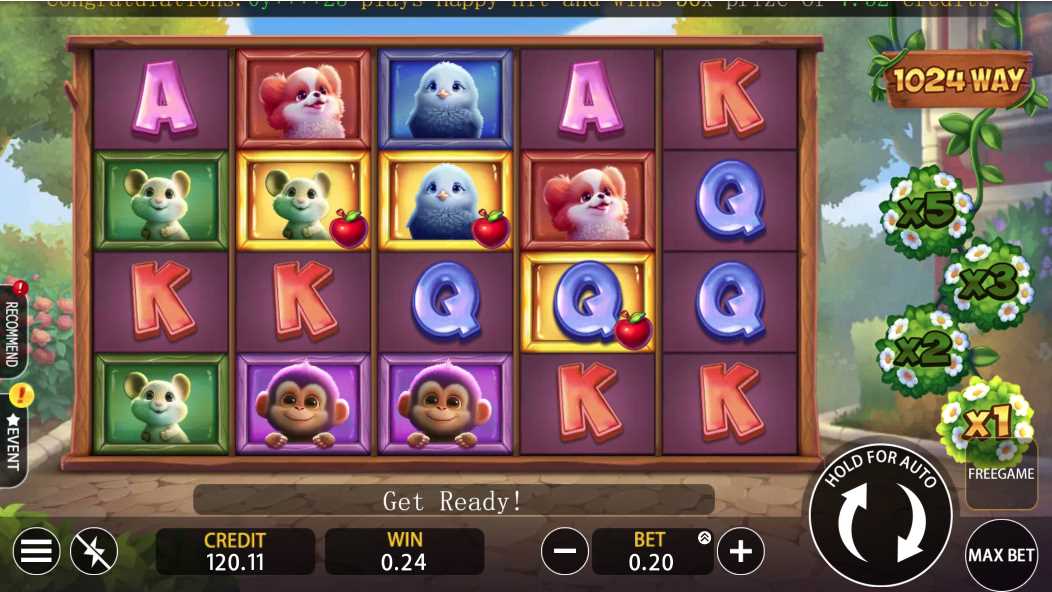
PG Soft, salah satu pengembang permainan slot online terkemuka, telah meluncurkan versi terbaru dari permainannya yang dapat menghadirkan pengalaman bermain yang hebat bagi para pemainnya. Demi menjaga para pemain terus terhibur dan terpuaskan, PG Soft juga menyediakan akun demo slot yang memungkinkan para pemain untuk mencoba berbagai permainan slotnya secara gratis.
Dalam akun demo slot PG Soft, para pemain dapat dengan bebas menjelajahi berbagai pilihan permainan dan mengeksplorasi berbagai fitur menarik yang ditawarkan. Salah satu permainan yang patut dicoba adalah Mahjong Ways, sebuah slot yang menggabungkan elemen tradisional Mahjong dengan keseruan slot. Dengan desain grafis yang indah dan mekanisme bermain yang inovatif, Mahjong Ways menawarkan pengalaman bermain yang benar-benar unik dan menarik.
Demo slot PG Soft terbaru juga menambahkan berbagai permainan lainnya yang menghadirkan tema-tema yang menarik dan hadiah-hadiah yang menggiurkan. Para pemain dapat menemukan berbagai macam jenis slot dengan berbagai tema seperti petualangan, fantasi, dan kebudayaan yang beragam. Jadi, dengan akun demo slot PG Soft, para pemain dapat mencoba semua permainan ini tanpa perlu khawatir kehilangan uang sungguhan.
Jadi, jangan ragu untuk menjelajahi dunia demo slot PG Soft terbaru dan jangan lewatkan kesempatan untuk mencoba permainan-permainan seru dalam akun demo slot. Dengan banyaknya pilihan permainan dan kesempatan untuk bermain gratis, PG Soft memberikan pengalaman bermain yang menarik dan memuaskan bagi para penggemar slot online.
Pengenalan Demo Slot
Demo slot telah menjadi salah satu bagian yang penting dalam industri permainan online saat ini. Dalam dunia perjudian online, demo slot sering digunakan sebagai alat untuk mengenalkan pemain baru dengan game-game yang ditawarkan oleh penyedia permainan. Dalam artikel ini, kita akan menjelajahi dunia demo slot PG Soft terbaru dan akun demo slot yang dapat memberikan pengalaman bermain game slot secara gratis.
Demo slot merupakan versi percobaan dari game slot yang sebenarnya. Biasanya, pemain dapat mencoba berbagai jenis game slot dengan menggunakan kredit virtual tanpa harus memasang taruhan uang sungguhan. Dengan demo slot, pemain dapat mengasah keterampilan dan strategi mereka tanpa perlu khawatir kehilangan uang sungguhan.
Salah satu keuntungan dari demo slot adalah pemain dapat mengenal lebih dekat dengan tema dan mekanisme permainan sebelum memutuskan untuk bermain dengan uang sungguhan. Demo slot PG Soft terbaru, seperti Mahjong Ways, menawarkan pengalaman bermain yang menyenangkan dengan grafis yang menarik dan fitur-fitur bonus yang menggiurkan.
Dengan akun demo slot, pemain dapat memiliki akses penuh untuk mencoba semua jenis game slot yang disediakan oleh PG Soft secara gratis. Akun demo slot memungkinkan pemain untuk menikmati permainan tanpa harus mengeluarkan uang sepeser pun. Ini merupakan kesempatan yang bagus bagi pemain untuk menguji berbagai strategi permainan sebelum memutuskan untuk bermain dengan uang sungguhan.
Pengenalan demo slot telah membawa perubahan positif dalam dunia perjudian online. Dengan adanya demo slot, pemain dapat merasakan sensasi dan kegembiraan bermain game slot tanpa harus mengambil risiko finansial. Selain itu, demo slot PG Soft terbaru dan akun demo slot menawarkan berbagai pilihan permainan yang menarik untuk dieksplorasi oleh para pemain. Mari kita jelajahi dunia demo slot PG Soft terbaru dan nikmati pengalaman bermain yang menyenangkan!
Fitur-fitur Demo Slot PG Soft Terbaru
Demo slot PG Soft terbaru menawarkan sejumlah fitur menarik yang akan membuat pengalaman bermain Anda semakin seru dan menghibur. Dalam artikel ini, kami akan membahas beberapa fitur utama yang dapat Anda temukan dalam game-game demo slot PG Soft terbaru ini.
Pertama, demo slot PG Soft terbaru dilengkapi dengan tampilan grafis yang menakjubkan. demo slot pg soft terbaru Desain visual yang kreatif dan detail yang memukau akan membuat Anda terpesona saat memutar gulungan. Setiap simbol dan karakter dalam game memiliki animasi yang halus dan realistis, menciptakan pengalaman bermain yang memikat.
Fitur berikutnya adalah variasi tema yang beragam. Demo slot PG Soft menyediakan berbagai tema menarik yang mengambil inspirasi dari budaya, mitologi, alam, dan banyak lagi. Setiap tema memiliki gaya dan warna yang unik, memberikan pengalaman yang berbeda dalam setiap permainan.
Selain itu, fitur-fitur bonus yang menggembirakan juga menjadi daya tarik dalam demo slot PG Soft terbaru. Anda dapat mengaktifkan putaran bonus, putaran bebas, multiplier, dan fitur-fitur lain yang dapat meningkatkan peluang Anda untuk memenangkan hadiah besar. Fitur-fitur ini menjadikan setiap putaran lebih menarik dan memberikan kesempatan untuk mengumpulkan kemenangan yang menggiurkan.
Itulah tiga fitur utama yang dapat Anda temukan dalam demo slot PG Soft terbaru. Dengan tampilan yang mengagumkan, tema yang beragam, dan fitur-fitur bonus yang menggembirakan, tidak heran jika game-game demo slot PG Soft terus menjadi favorit para pemain. Tetaplah menjelajahi dunia demo slot PG Soft terbaru dan nikmati pengalaman bermain yang tak terlupakan!
Manfaat Menggunakan Akun Demo Slot
Pertama-tama, akun demo slot sangat bermanfaat bagi pemain yang baru memulai perjalanan mereka dalam dunia perjudian online. Dengan menggunakan akun demo, pemain dapat mengenal dan memahami berbagai jenis permainan slot yang ditawarkan oleh PG Soft tanpa harus mengeluarkan uang sungguhan. Hal ini sangat penting agar pemain dapat mengasah keterampilan dan strategi permainan mereka sebelum bermain dengan uang sungguhan.
Kedua, akun demo slot juga dapat digunakan sebagai sarana untuk menguji keberuntungan dan mencari tahu potensi pembayaran dari setiap permainan slot. Dengan menggunakan akun demo, pemain dapat memutar gulungan sebanyak yang mereka inginkan tanpa harus khawatir kehilangan uang sungguhan. Dengan melakukan berbagai percobaan dan mencoba berbagai strategi, pemain dapat mengidentifikasi permainan slot mana yang paling sesuai dengan gaya permainan mereka dan memberikan peluang kemenangan terbaik.
Terakhir, akun demo slot juga memberikan kesempatan bagi pemain untuk menghibur diri tanpa tekanan finansial. Dalam suasana yang santai dan tanpa risiko kehilangan uang sungguhan, pemain dapat menikmati keseruan dan kegembiraan dari permainan slot. Hal ini sangat penting bagi pemain yang ingin bersenang-senang dan menghilangkan stres tanpa harus mempertaruhkan uang mereka.
Dengan semua manfaat ini, akun demo slot merupakan sarana yang sangat berguna bagi pemain untuk memulai dan menjelajahi dunia permainan slot PG Soft. Dengan menggunakan akun demo, pemain dapat meningkatkan keterampilan mereka, menguji keberuntungan, dan mendapatkan hiburan yang menyenangkan.